


Property Damage
Insurance Lawyers

Our Attorneys


Established
Focused property damage insurance claim representation backed by more than 15 years of experience
Responsive
Our team is available to clients 24 hours a day, 7 days a week.
Proven
Storm Law Partners attorneys have represented more than $1 billion in property insurance claims.
The Storm Law Difference


Our Strategy

Claim Review and Preparation
We begin by reviewing your insurance policy, property damage, claim file, and communications with the insurance company. This may include emails, letters, photos, repair estimates, inspection notes, vendor records, and any documents related to the loss.
Our team reviews the policy to identify covered losses, exclusions, deadlines, notice requirements, and language that may affect the claim. This preparation helps us understand what the insurance company has accepted, disputed, delayed, or denied.


Litigating and Winning Your Property Damage Case
Filing a Lawsuit and Litigating
Not every property damage insurance claim requires a lawsuit. Many disputes can be resolved through negotiation, appraisal, arbitration, or mediation. In some cases, litigation may be necessary when the insurance company continues to deny coverage, delay payment, undervalue the loss, or refuse to resolve the claim despite supporting evidence.
Storm Law Partners prepares each claim with litigation in mind when appropriate. That means reviewing the policy, organizing evidence, working with experts, documenting the damage, and meeting any required steps before filing suit.
Pre-lawsuit Requirements
Depending on the state you’re in, we can’t file a lawsuit until certain pre-suit requirements are met. Often, that means sending a demand letter or filing a notice of intent. These pre-suit requirements must be met before filing a lawsuit against insurance carriers. So, just depending on what your state laws are, it’s vital that your property damage lawyer is familiar with these requirements to put you in the best position to win.
Your Insurance Claim Payout
Once a property damage insurance claim is resolved, the timing and process for payment can depend on the terms of the settlement, the insurance company, state law, policy requirements, and whether any mortgage company, lienholder, contractor, or other party must be included.
In many resolved claims, the insurance company may require a signed release before issuing payment. A release generally confirms that the claim is being resolved under the agreed terms and that the policyholder is releasing certain claims related to the covered loss. Before signing, Storm Law Partners helps clients review the payment terms, required documents, and any issues with lienholders or mortgage companies that may affect the payout process
How Storm Law Partners Can Help You
Storm Law Partners helps homeowners and businesses manage disputed property damage insurance claims from the first review through resolution. Our attorneys review the policy, claim file, repair estimates, photos, inspection reports, and communications with the insurance company.
We help document the damage, identify coverage issues, respond to insurer requests, and negotiate with the insurance company when a claim has been denied, delayed, or underpaid. If the dispute cannot be resolved through negotiation, we prepare the claim for mediation, arbitration, appraisal, or litigation when appropriate.
Negotiating Fair
Settlements
Insurance companies may offer less than what is needed to repair or replace damaged property. Storm Law Partners reviews settlement offers, compares them against the documented damage and policy coverage, and advises clients on whether to accept, counter, or continue pursuing the claim.
Preparing for
Litigation
If the insurance company continues to deny, delay, or underpay the claim, Storm Law Partners can prepare the case for litigation. This may include gathering evidence, working with experts, preparing legal filings, handling discovery, and representing the client in court when needed.
Common Reasons for
Insurance Claim Denials
Insurance companies may deny property damage claims for several reasons, including missed deadlines, disputed coverage, alleged policy exclusions, questions about the cause of damage, incomplete documentation, or issues related to policy terms.
Storm Law Partners reviews the denial letter, policy language, and claim file to determine whether the denial can be challenged.
An experienced lawyer by your side helps avoid common mistakes and can strengthen your claim. Lack of sufficient evidence of damage is another common reason for claim denials. Insurers may use tactics to intimidate policyholders and deny claims, including employing teams of lawyers. Insurance companies might blame you for inadequacies and awareness of these tactics helps you prepare and protect your rights.
Common exclusions in homeowners insurance policies, like damages from floods, earthquakes, and pest infestations, can lead to claim denials. Understanding these exclusions and securing additional coverage can prevent unwelcome surprises when filing a claim.
Understanding Your Policy

Dwelling and Structural
Coverage
Dwelling and structural coverage generally applies to the home or building itself. Depending on the policy, this may include the roof, walls, foundation, attached structures, detached structures, and building systems damaged by a covered loss.
Disputes may arise when the insurance company questions the cause of damage, limits the scope of repairs, applies depreciation, or claims part of the damage is excluded. Storm Law Partners helps policyholders review the policy, document the damage, and respond to disputed coverage decisions.

Personal Property
Coverage
Personal property coverage may apply to belongings damaged by a covered loss, such as furniture, electronics, clothing, appliances, equipment, and other contents inside the property.
These claims can become disputed when the insurance company questions ownership, value, condition, documentation, or whether certain items are subject to coverage limits. Storm Law Partners helps clients organize inventories, receipts, photos, estimates, and other evidence used to support a personal property claim.

Policy Limits and Exclusions
Insurance policies often include exclusions, limits, deductibles, endorsements, and special conditions that can affect payment. Depending on the policy, disputed issues may involve flood damage, earth movement, wear and tear, maintenance-related damage, cosmetic damage, prior damage, pest damage, or faulty workmanship.
Storm Law Partners reviews these provisions to determine whether the insurer’s interpretation is accurate and whether the denial, delay, or reduced payment can be challenged.
FAQ
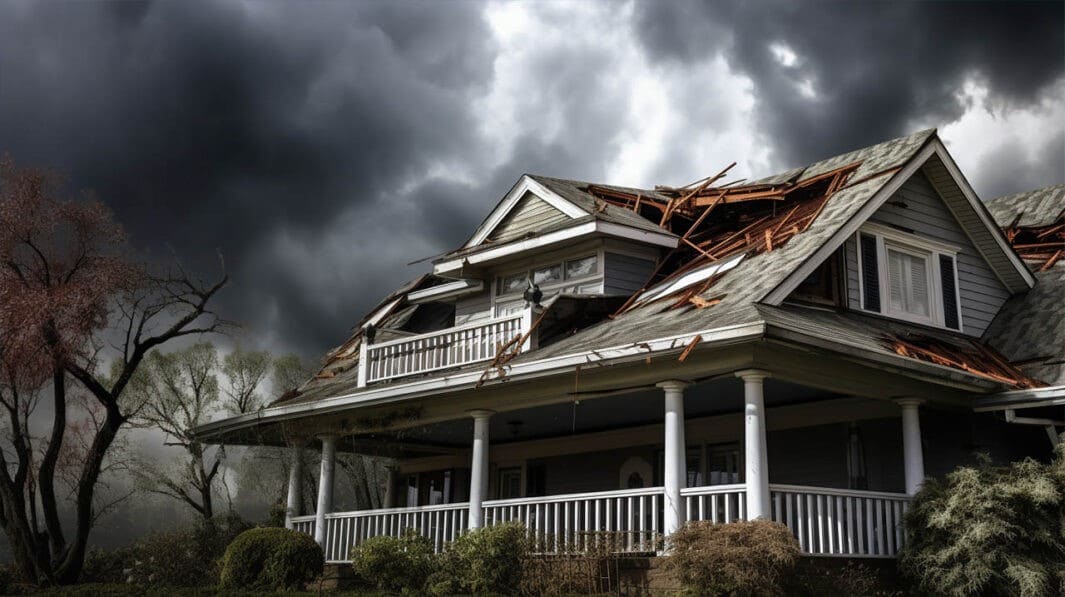
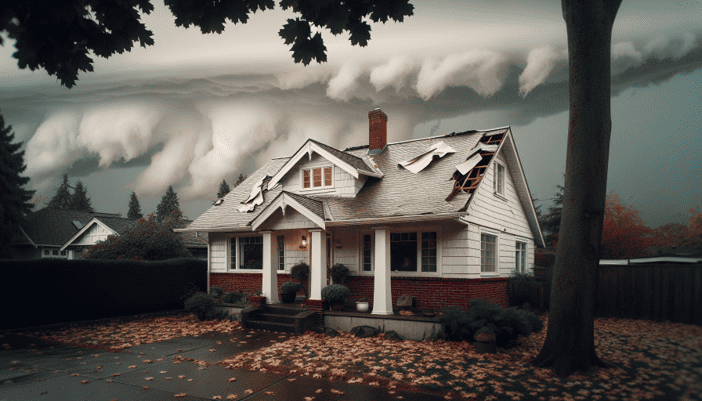
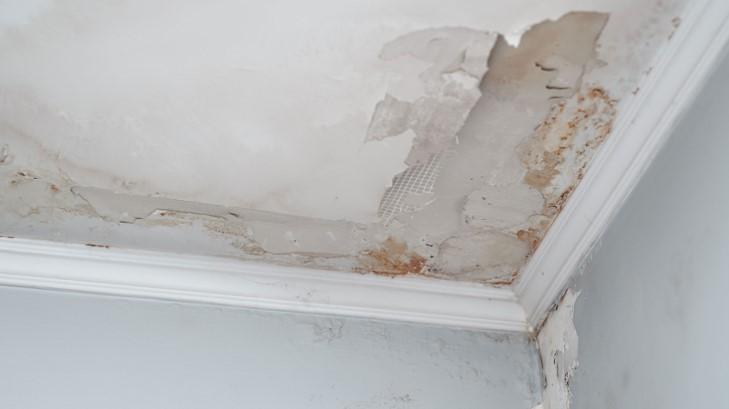
A first-party property damage claim is a claim filed by a policyholder with their own insurance company after damage to covered property. These claims may involve storm damage, hurricane damage, wind damage, hail damage, fire damage, water damage, vandalism, or other covered losses.
If the insurance company denies, delays, or underpays the claim, a property damage attorney can review the policy, claim file, damage documentation, and insurer communications to determine the next step.
If your property damage claim is denied, start by reviewing the denial letter carefully. The letter may explain whether the insurance company is relying on a policy exclusion, missed deadline, lack of documentation, disputed cause of loss, or another coverage issue.
You should also gather photos, repair estimates, inspection reports, emails, letters, and any other documents related to the claim. A first-party property damage attorney can review the denial and help determine whether the decision can be challenged.
A property damage lawyer can review your insurance policy, organize evidence, communicate with the insurance company, evaluate settlement offers, and prepare the claim for negotiation, mediation, arbitration, appraisal, or litigation when needed.
Legal help may be useful when a claim is denied, delayed, underpaid, or disputed by the insurance company.
Insurance companies may deny property damage claims for several reasons, including policy exclusions, missed deadlines, incomplete documentation, questions about the cause of damage, alleged pre-existing damage, or disputes over whether the loss is covered.
If a denial appears unfair or unsupported, a property damage lawyer can review the policy language, denial letter, claim file, and available evidence.
The deadline to file a property damage claim depends on the insurance policy, the type of damage, and the state where the property is located. Some policies require quick notice after the loss, and legal deadlines may apply if the claim becomes disputed.
Because deadlines can vary, policyholders should report damage quickly, keep written records, and review the policy requirements as soon as possible.
Insurance bad faith may occur when an insurance company unreasonably denies, delays, or underpays a valid claim. Possible signs may include repeated delays, lack of communication, shifting explanations, low settlement offers, failure to investigate, or denial without a clear basis.
Whether conduct qualifies as bad faith depends on the facts, the policy, and applicable state law. A property damage attorney can review the claim and explain whether legal action may be available.
