 Does Liability Insurance Cover Hail Damage?
Liability insurance does not cover hail damage to your vehicle. If your car suffers hail damage, you will need comprehensive insurance to cover repairs. This article explains why liability insurance excludes hail damage and addresses the question: “Does liability insurance cover hail damage?” It also discusses what type of coverage you should have to protect your car from such weather-related incidents.
For a free legal consultation, call (832) 323-3000
For a free legal consultation, call (832) 323-3000
Key Takeaways
✓ Liability insurance does not cover hail damage to your own vehicle; it is designed to protect against damages you cause to others.
✓ To protect against non-collision incidents like hail damage, comprehensive coverage is essential, as it specifically covers repairs from such events.
✓ Preventive measures, such as using protective car covers and seeking indoor parking during storms, can significantly reduce the risk of hail damage.
Understanding Liability Insurance
Liability insurance is a fundamental component of any car insurance policy. Its primary purpose is to cover damages to others when you’re at fault in an accident, not to pay for repairs to your own vehicle. This means that if you cause an accident, your liability insurance will help cover the other party’s medical expenses and property damage.
Liability insurance primarily protects against legal claims. It operates under a risk financing model, shielding you from financial losses due to claims made by others after an accident. This coverage ensures you can handle any legal responsibilities arising from an incident.
However, both auto and homeowners’ liability coverage exclude damage to the policyholder’s own property. This exclusion means liability insurance does not cover hail damage to your vehicle. For that, you need different coverage.
What Does Liability Insurance Cover?
Liability insurance includes two main types: bodily injury coverage and property damage coverage. Bodily injury coverage pays for the medical expenses of injured parties when you’re at fault, while property damage coverage handles repairs to the property you’ve damaged. This dual protection covers both physical and property damages inflicted on others.
Auto liability insurance helps pay for the other driver’s medical bills or property damage if you cause a car accident. This insurance mitigates the substantial financial impact of accidents. Coverage limits define the maximum amounts an insurer will pay for bodily injury and property damage claims, capping the insurer’s financial responsibility.
Most states mandate drivers to carry both bodily injury and property damage liability insurance to legally operate a vehicle. This requirement ensures all drivers have a basic level of financial responsibility for accidents they cause. However, this coverage does not extend to repairs to your own vehicle if it is damaged by hail or other non-collision incidents.
Click to contact our property damage lawyers today
Why Liability Insurance Doesn’t Cover Hail Damage
Liability insurance protects against damages you cause to others, not against damage to your own property. It does not cover auto hail damage. If a hailstorm damages your car, liability insurance won’t cover the repairs.
The structure of liability insurance is such that it covers only damages or injuries you inflict on others through your actions. Therefore, any repairs to your own vehicle after an accident will require collision coverage, which is separate from liability insurance. Hail damage, being a non-collision incident, is not included under liability coverage.
To cover hail damage on your vehicle, you need comprehensive coverage. This type of insurance specifically addresses non-collision incidents, including hail damage, making it essential for protecting vehicles during severe weather.
Complete a Free Case Evaluation form now
Comprehensive Coverage: The Solution for Hail Damage
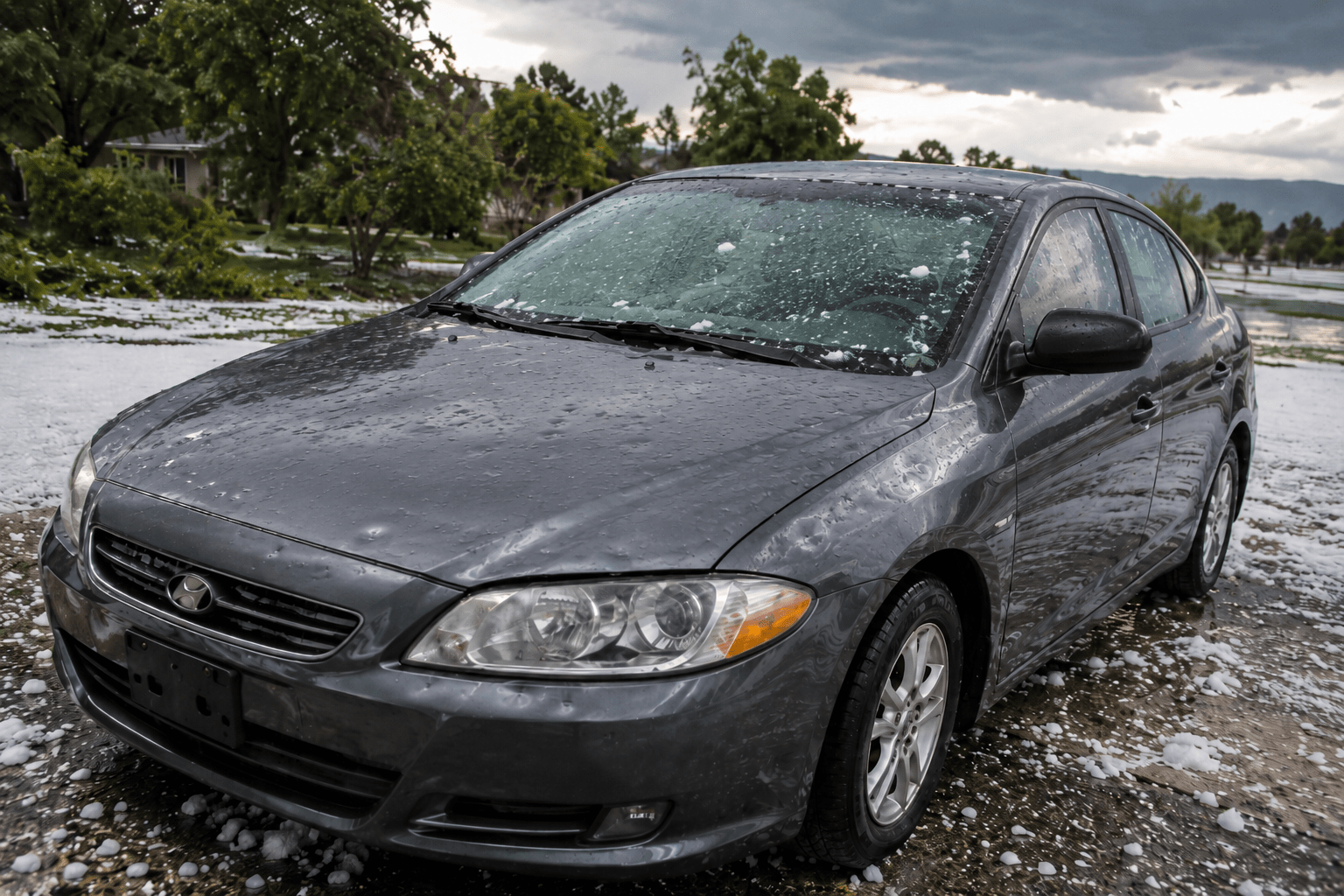
Comprehensive coverage is the type of car insurance that covers hail damage. It protects against various types of hail damage, such as dents, dings, cracked glass, and interior water damage. Having comprehensive coverage helps pay for the repair or replacement of a vehicle due to non-collision accidents, such as hail damage.
Homeowners’ insurance may provide hail damage protection through dwelling coverage, but homeowners’ insurance does not cover vehicle damage. Adding comprehensive coverage to your auto insurance policy is crucial for those living in hail-prone areas. It ensures your vehicle is protected from severe weather and costly repairs.
Investing in comprehensive coverage ensures that any hailstorm-related damage is financially manageable. Whether it’s a minor ding or significant damage, comprehensive coverage has you covered.
Click to contact our property damage lawyers today
Filing a Hail Damage Claim with Comprehensive Coverage
To file a hail damage claim, first contact your insurance provider to initiate the process. Document the damage with clear photos and detailed records before filing a claim. This documentation serves as evidence and helps ensure all damage is accounted for during the inspection to fix hail damage.
Being present during the adjuster’s inspection ensures all documented damage is shown. The insurance company typically requires a deductible to be paid out of pocket when making a hail damage claim. Consider this deductible when assessing the overall cost of repairs.
Hiring a licensed contractor ensures that repairs comply with building codes and meet insurance standards. If the settlement from your insurer is insufficient, negotiation or additional documentation may be necessary. The payout process may involve multiple payments as repairs are completed, so staying informed and proactive is key.
Cost of Hail Damage Repairs
Hail damage can cause major dents and broken windows on vehicles, leading to significant hail damage repair costs. Most hail damage is repairable, depending on the extent of the damage, but costs can add up quickly. The average cost to repair moderate hail damage on a hail-damaged car is approximately $2,500, especially for hail-damaged areas.
Costs vary based on the severity of the damage and the type of repairs needed. For instance, hail damage that affects the car’s paint or breaks windows can be more expensive to repair. Cosmetic damage may also add to the overall costs. Car owners should be prepared for these potential expenses, especially if they live in hail-prone areas. To repair auto body issues effectively, understanding these factors is crucial when getting a car repaired.
Understanding the potential costs of hail damage repairs helps car owners make informed decisions about their insurance coverage and prepare for any financial impact. Comprehensive coverage can significantly reduce out-of-pocket expenses and ensure your car is repaired to its original condition.
Preventing Hail Damage: Tips and Tools
Preventing hail damage is better than dealing with the aftermath. Investing in protective measures like a padded car cover can help reduce potential hail damage. A specialized hail car cover can protect your vehicle during a hailstorm, minimizing the risk of a hail hit and helping prevent dents and broken windows.
Alternative methods, such as using thick blankets or floor mats as protective layers, can also be effective if properly secured. Knowing the location of nearby indoor garage parking can provide a quick solution during a hailstorm. Additionally, folding side mirrors can help reduce the risk of damage.
Taking these preventive steps can save you from costly repairs and the hassle of filing a hail damage claim. Whether it’s investing in a hail protection blanket or finding creative ways to shield your car, proactive measures make a significant difference.
Common Misconceptions About Hail Damage Claims
Filing a hail damage claim may impact future car insurance premiums, but this is a misconception. Submitting a hail damage claim typically does not affect your insurance premiums. You can file a claim without worrying about a significant increase in your insurance costs.
Understanding how claims and deductibles work can help manage expectations about insurance costs. If you live in hail-prone areas, consider whether a higher deductible is affordable for you. Being informed about these aspects of your insurance policy helps you make a better estimate when filing claims.
Clarifying these misconceptions helps car owners feel confident in their insurance coverage and the claims process. By dispelling these common mistakes, you can better navigate your insurance policy and ensure adequate protection.
Attorney Insights: Expert Strategies to Maximize Coverage and Minimize Risk
From a first-party insurance attorney’s perspective, here are vital legal and strategic tips to ensure full protection against hail damage—and avoid claim complications:
- Review Your Declarations Page: Ensure your comprehensive coverage includes storm damage protections. Watch for limitations in the fine print.
- Request a Detailed Repair Estimate: Have a certified body shop provide a written scope of repairs before accepting a settlement. It helps avoid underpayments.
- Document Damage Immediately: Timestamped photos and videos are crucial. Take them before moving your vehicle or cleaning up the damage.
- Understand Diminished Value Claims: Even after repairs, your car may lose resale value. Some states allow claims for this reduction—know your rights.
- Keep Communication in Writing: Email or written correspondence creates a paper trail in case of disputes with the insurer later.
Real-World Example
In 2022, a Denver driver had their hail-damaged car appraised at $3,700. The insurance company initially offered just $2,100. By submitting photos, repair quotes, and invoking Colorado’s Right to Appraisal clause, the driver negotiated a final payout of $3,600—nearly the full estimate.
Case Law Spotlight
In Federated Mut. Ins. Co. v. Grapevine Excavation Inc., 197 F.3d 720 (5th Cir. 1999), the court held that an insurer’s refusal to pay full damages under a policy without reasonable justification could constitute bad faith. This decision highlights your right to fair and timely compensation under comprehensive coverage terms.
Industry Insight
According to the Insurance Information Institute, hail damage accounts for nearly $10 billion in insured losses annually in the U.S. alone, making it one of the top auto-related claims nationwide. Vehicles in hail-prone states like Texas, Colorado, and Nebraska are especially at risk.
In conclusion, liability insurance does not cover hail damage to your vehicle. To protect your car from hail, comprehensive coverage is essential. This type of coverage addresses non-collision incidents, including hail damage, and provides financial assistance for necessary repairs.
Understanding your insurance policy, repair costs, and preventive measures can help you navigate the complexities of auto insurance. By being proactive and informed, you can ensure your vehicle is protected against the unpredictable nature of hailstorms.
Frequently Asked Questions
Does liability insurance cover hail damage to my car?
Liability insurance does not cover hail damage to your car; you will need comprehensive coverage for such incidents.
What type of insurance covers hail damage?
Comprehensive coverage is the type of insurance that protects your vehicle against hail damage. Ensure you have this coverage to adequately protect against such weather-related incidents.
Will filing a hail damage claim increase my insurance premiums?
Filing a hail damage claim generally does not lead to an increase in your insurance premiums. It’s important to review your policy specifics, as practices may vary by insurer.
How much does it cost to repair hail damage on a car?
Repairing moderate hail damage on a car typically costs around $2,500. This average can vary depending on the extent of the damage and the specific repair methods used.
What can I do to prevent hail damage to my car?
To prevent hail damage to your car, consider using a padded car cover or thick blankets for protection. These measures can significantly reduce the risk of damage during a hailstorm.
Call or text (832) 323-3000 or complete a Free Case Evaluation form